
Multilingual Video Marketing: How to Reach Global Audiences
Key Takeaways
- Multilingual video is about clarity.Videos only work when viewers can follow them without effort. Language barriers reduce attention, comprehension, and trust, even when subtitles are available.
- Spoken language beats subtitles for complex content.or tutorials, onboarding, and product explanations, dubbed or spoken audio lowers cognitive load and keeps viewers focused longer than reading captions.
- AI turns localization into a core workflow, not a bottleneck.odern AI tools make it possible to translate scripts, generate audio, and adapt visuals quickly, allowing teams to scale video content across languages without slowing down production.
- Multilingual video adds value beyond marketing.rom customer support and sales to training and internal communication, localized video improves understanding and consistency wherever global audiences are involved.
Publishing a video globally is easy. Making it understood is harder.
Most brands now operate across borders by default. Their products are sold online, their teams work remotely, and their audiences are spread across regions with different languages and expectations. Yet a large share of business video content is still created with a single audience in mind.
That gap matters. Video only works when people can follow what’s being said without effort. If viewers need to translate mentally, rely heavily on subtitles, or guess meaning from context, attention drops quickly. Multilingual video marketing addresses this problem by removing language as a barrier and allowing content to work as intended.
This article explains what multilingual video marketing really means, why it has become a practical necessity, and how brands can produce multilingual videos without turning localization into a slow, expensive process.
What Is Multilingual Video Marketing?
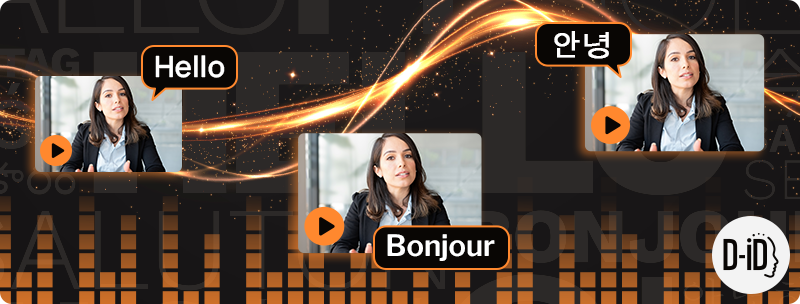
Multilingual video marketing is the practice of creating video content in multiple languages so it can be understood clearly by audiences in different regions.
That may involve:
- Spoken audio in different languages
- Translated on-screen text and captions
- Adjusted phrasing or examples where direct translation would feel unnatural
The key point is not volume, but clarity. Each version of the video should feel complete on its own, not like a translated afterthought.
In the past, multilingual video production was often limited to subtitles or voice-over tracks recorded separately for a few major markets. Today, expectations are higher. Viewers are used to localized interfaces, apps, and websites. They expect video to follow the same standard.
Multilingual videos allow brands to explain products, ideas, and processes in a way that feels direct. Instead of asking viewers to adapt, the content adapts to them.

Why Brands Need Multilingual Video Today
The case for multilingual video marketing is no longer theoretical. It’s driven by how people consume content and how businesses operate.
Language Shapes Attention
People engage more easily with content in their native language. This affects watch time, comprehension, and recall. Even viewers who understand a second language often prefer content in their first one when the topic is complex or unfamiliar.
For instructional videos, onboarding material, or product explanations, that difference matters. When understanding feels effortless, viewers stay focused longer.
Global Reach Is No Longer Optional
Many brands serve international audiences whether they planned to or not. A SaaS product launched in one country may attract users worldwide within months. When video content remains monolingual, it creates an uneven experience across markets.
Multilingual videos help ensure that messaging stays consistent while still being accessible.
Localization Builds Credibility
Language is closely tied to trust. A video presented in a viewer’s language signals that the brand has considered their perspective. This matters especially in customer-facing communication, where clarity and tone influence perception.
A localized video often feels more intentional than subtitles alone, even if the underlying message is the same.
Better Use of Existing Content
Multilingual video marketing also improves efficiency. Instead of producing separate videos for each market, teams can adapt a single source into multiple language versions. This extends the lifespan of content and increases its overall value.
Taken together, these factors explain why multilingual video has moved from a specialized tactic to a standard expectation.
Essential Components of Multilingual Video Campaigns
Creating multilingual videos becomes manageable when the process is broken down into clear components.
Subtitles and Captions
Subtitles are often the first step into multilingual video marketing. They are relatively quick to add and work well for short videos or social platforms where viewers often watch without sound.
However, subtitles place the burden on the viewer. Reading while watching requires more effort, especially for longer videos. For explanations, tutorials, or training content, spoken language usually works better.
AI Dubbing and Spoken Language
AI dubbing replaces the original audio track with spoken translations. Modern AI text to speech systems produce voices that sound steady and neutral, which makes them suitable for professional content.
Spoken audio reduces cognitive load. Viewers can listen and focus on visuals instead of reading text. This is particularly important for longer-form videos or topics that require concentration.
Visual Adaptation
Text inside a video, Things like titles, callouts,or labels often, need adjustment when translated. Words may take up more space in one language than another. A solid multilingual setup accounts for this so layouts remain readable and balanced.
Automated tools help manage these changes without redesigning each version manually.
Regional Context
Not all phrasing translates cleanly. Certain idioms, examples, or references may feel off when carried over directly. While AI handles the technical side of translation well, human review still plays a role in refining tone for specific regions.
Successful multilingual video campaigns strike a balance between automation and oversight.
How AI Is Changing Multilingual Video Marketing
AI has reshaped multilingual video production by removing many of the manual steps that once slowed it down.
Scripts can be translated automatically. Audio can be generated without recording sessions. Lip movement and timing can be adjusted programmatically rather than through editing.
This has several practical effects:
- Production timelines are shorter
- Updates can be rolled out across languages quickly
- Teams can scale without adding localization complexity
Instead of treating translation as a final step, AI allows multilingual production to be part of the core workflow.

Multilingual Videos Beyond Marketing
While marketing is often the starting point, multilingual videos are used across many areas of an organization.
Customer Support
Video tutorials and help guides in multiple languages reduce reliance on written documentation and support tickets. Customers are more likely to resolve issues on their own when explanations are clear and spoken in their language.
Learning and Development
Global teams need consistent training. Multilingual training videos ensure that employees receive the same information regardless of location, without relying on local trainers to interpret material.
Sales and Pre-Sales
Product demos and walkthroughs work best when prospects can follow every detail. Multilingual videos help sales teams communicate clearly across markets without rewriting content from scratch.
Internal Communication
Company updates, policy explanations, or onboarding messages reach a wider audience when language is not a barrier. This becomes increasingly important as teams grow more distributed.
In all these cases, multilingual video improves clarity and reduces misunderstandings.

Common Challenges and How to Avoid Them
Multilingual video marketing comes with challenges, but most are manageable with the right approach.
One common issue is over-translation, where content becomes rigid or unnatural. Keeping language simple and direct helps avoid this.
Another challenge is maintaining consistency across languages. Using a single source script and controlled workflows helps ensure that all versions stay aligned.
Finally, teams often worry about quality. Modern AI text to speech systems have reached a level where voice output is stable and professional enough for most business use cases, especially when paired with review steps for key content.
Next Steps: Localize Videos at Scale with D-ID
Producing multilingual videos no longer requires separate vendors, recording sessions, or complex handoffs.
D-ID allows teams to create and localize videos from a single source. Scripts can be translated, audio generated, and videos adapted into multiple languages within one workflow.
This makes it easier to:
- Launch videos across regions at the same time
- Keep messaging consistent
- Update content without repeating production
For teams exploring multilingual video marketing for the first time—or looking to scale existing efforts—D-ID offers a practical way to move faster without sacrificing clarity.
You can explore available plans or start testing directly to see how multilingual video production fits into your workflow.
For a broader comparison of tools, see: https://www.d-id.com/blog/best-ai-video-translators/

FAQs
-
They automate translation, audio generation, and synchronization. This reduces manual work and allows teams to scale content across languages efficiently.
-
Dubbing replaces the original audio with translated speech that matches timing. Voice-over usually plays on top of the original audio.
-
Many systems support regional variants. For important customer-facing content, a short review step is still recommended.
-
Any brand with international audiences, including SaaS, e-commerce, education, and global enterprises.
-
Often minutes rather than days, depending on video length and number of languages.
Was this post useful?
Thank you for your feedback!