
How AI Video Generation Is Revolutionizing Influencer Marketing
Brands want creators to promote their products, and creators are producing a huge amount of video content daily. But the question is, how are they able to produce such content quickly, cost-effectively, and at scale?
This is where AI video generation proves its value, with AI integration successfully boosting marketing campaign results for 66.4% of marketers.
In this article, you’ll find out how this technology is transforming the way influencers create content and how brands and creators can tap into its potential.
What Is AI Video Generation?
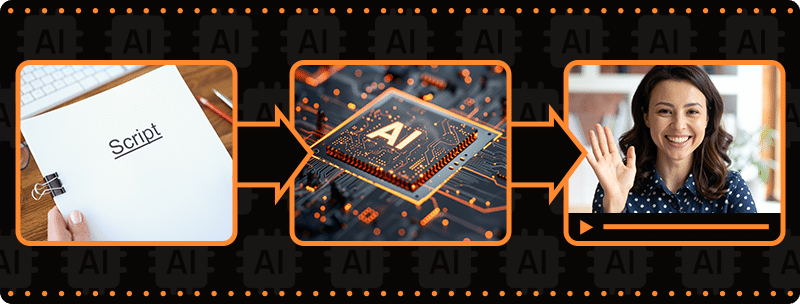
AI video generation uses artificial intelligence to automatically create videos by simply providing a script or in some cases just a prompt. It does not require any cameras, sets, or big production teams.
Tools like text-to-video convert written scripts into complete videos with visuals, music, and voiceovers. AI avatars act as virtual presenters who can speak multiple languages or represent brands globally.
It’s faster and more accessible than traditional production because every process happens digitally. Creators can produce or tweak videos within hours, test different versions for different audiences, and personalize content without costly reshoots.
How AI Video Generation Works.
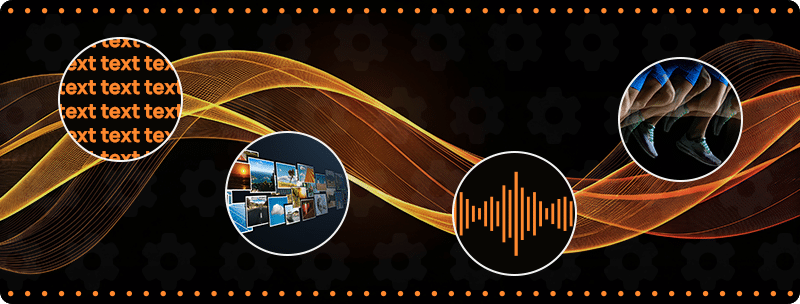
AI video generation works by combining several machine-learning models, including text processing, image generation, speech synthesis, and animation engines. These models turn simple prompts into a complete videos. When a creator uploads a script or enters a prompt, the system analyzes the text to understand the context, tone, and visuals for the video. Then, AI models generate scenes, select matching stock visuals, animate avatars, add transitions, and layer background music or voiceovers automatically. What normally takes days in a studio happens in minutes because the entire pipeline is automated.
Popular AI Tools Influencers Are Using
Influencers rely on different tools depending on their workflow:
- For AI avatars: D-ID, Synthesia, HeyGen
- For text-to-video content: Sora, Veo, Runway, Pika Labs, Luma Dream Machine
- For automated editing: Descript, CapCut AI, Wondershare Filmora AI
- For voice cloning/voiceovers: ElevenLabs, Murf AI
- For creative cinematic effects: Runway Gen-2, Pika 1.0
Together, these tools help influencers speed up production, stay consistent across platforms, and deliver high-quality content without the costs of cameras, studios, and reshoots.
The Evolution of Influencer Marketing and Why Change Was Due
Next, let’s understand the journey of influencer marketing.
Initially, it was all about niche collaborations between brands and bloggers or early social media personalities. However, it has now evolved into a sophisticated channel where authenticity, engagement, and storytelling are key. But with growth came challenges, such as:
- Cost & production time: High-quality video campaigns often require significant budgets and long lead times.
- Scalability: Running the same campaign across multiple markets, languages, or audience segments meant re-shoots or heavy localization.
- Content fatigue: Audiences expect fresh content quickly, and often, influencers struggle with filming demands.
You can overcome these challenges by using AI as a solution.
How AI Video Generation Adds Value to Influencer Campaigns
In this section, we’ll look at how AI video generation is empowering influencer campaigns.
- Faster video creation and reduced cost
Consider an influencer who wants to produce a series of short brand messages for different countries.
Instead of scheduling multiple shoots, they can use an AI platform to generate versions in local languages, swap backgrounds, and adjust messaging. That means higher frequency of content generation, more experimentation, and quicker turnarounds.
- Hyper-personalized content for different audience groups
Influencers can customize content by audience segment with the help of AI. For example, customizing video content for the Gen Z audience in the US and another for millennials in Europe, using local slang and culturally relevant visuals.
Through avatar generation, a virtual influencer delivers perfectly personalized messages at scale.
Also, generative engine optimization principles help increase reach. It enables creators to optimize how AI tools generate variants based on performance data, refining message, tone, and visuals across markets.
- Scalable campaigns across regions and languages
Video campaigns that used to capture one market at a time can now become global in a matter of days.
Virtual influencers, which are digital people represented by avatars, can produce a large amount of content without the usual constraints of time zones, travel, or availability.
How to Implement AI Video Generation in Your Influencer Strategy
Ready to get started? Here’s a practical roadmap for using AI tools in your influencer marketing.
- Define campaign goals and audience
Start by asking what you want to achieve with your influencer video campaign. Do you want brand awareness, conversions, or growth in engagement? Which audience segments matter most?
Setting clear goals helps you select the right approach and measure success.
- Select suitable AI tools or platforms
There are many AI video-generation platforms and avatar-creation tools. Look for ones that support:
- Text-to-video or voice-to-video capabilities
- Avatar creation or virtual influencers, if you choose to use avatars in your videos
- Multilingual and localization features
- Analytics and integration with influencer workflows
Test a few beforehand to determine which tool offers the best quality, speed, and ease of use.
- Blend AI content with influencer clips
Using AI doesn’t mean you have to automate every task. You can plan a smart hybrid strategy that blends influencer footage with AI-generated scenes or avatar segments.
This helps in maintaining authenticity. For example, an influencer records a greeting, then AI-generated segments personalize messages for different regions.
- Test small campaigns and analyze results
Start with a pilot. Pick one region or one message variant, generate AI videos, and compare performance against your traditional influencer video.
Use data to determine where AI adds value, then scale up. Align metrics, optimize versions, and iterate accordingly.
- Track performance and refine continuously
Use campaign analytics to see which variants resonate, which avatars or voices perform best, and which languages drive higher engagement. After that, refine the AI generation process to improve the video quality.
Advanced AI engines also analyze emotional cues using the valence-arousal theory. It helps brands understand which video tones generate stronger audience engagement. Companies can assess confidence levels during high-stakes scenarios, such as product launches and strategic pivots.
The Future of AI Video Generation in Influencer Marketing
What’s on the horizon for this fast-moving trend?
- Real-time AI influencers and virtual personas
We’re already seeing fully virtual influencers who never age, never take vacations, speak multiple languages, and can generate content at any time. In the future, real-time AI avatars may host brand events, interact directly with audiences, and deliver dynamic on-demand content.
- AR and VR integration for immersive content
Video is creating an immersive experience for audiences. Influencer campaigns may soon include augmented reality or virtual reality worlds where avatars and creators engage audiences in 3D spaces. Brands will create a new dimension of influencer storytelling.
- Making influencer marketing accessible to all brand sizes
As AI video-generation tools become more affordable and user-friendly, smaller brands will gain access to influencer-style campaigns previously reserved for big-budget clients.
The democratization of creator content ensures that anyone can tell a brand story with high production value.
The Next Era of Influencer Storytelling
AI video generation is reshaping influencer marketing by making content creation faster, cheaper, and more personalized. From virtual avatars to multilingual campaigns, it’s unlocking creative freedom and scalability for brands of all sizes.
As this technology evolves, those who adopt it early will lead the next wave of digital storytelling.
Ready to bring your brand stories to life with AI-powered videos and interactive visual agents? Contact D-ID and create custom AI digital people that engage audiences at scale.
FAQs
-
Traditional video production needs cameras, sets, and long edits. AI video generation, on the other hand, automates everything using scripts and avatars. It’s faster, more cost-effective, and ideal for scaling campaigns across markets.
-
Yes. Authenticity comes from storytelling, not just faces on screen. By blending real influencer moments with AI-generated avatars or scenes, brands can maintain human connection while enhancing creativity and personalization.
-
Any brand can use AI video tools to increase content output. It’s especially powerful for businesses aiming to localize campaigns, personalize engagement, or create high-quality visuals on limited budgets.

Was this post useful?
Thank you for your feedback!